There are 22 ways to fill a binder. One collects a single set from start to finish. The other 21 follow an idea, from every Charizard to everything one illustrator drew. Here is each one, and how you know it is done.
Strip away the card names and every collection on Binder Foundry is one of twenty-two shapes. We call them archetypes. A handful are objective and set-bound; most are concepts you define and grow. Here is the whole map, with real examples like every Charizard and 151.
The single biggest decision. Every archetype belongs to one of these, and they complete in different ways. Set vs curated binders covers the distinction in full.
Anchored to one expansion with a fixed number of cards. Climbs the tier ladder below.
A concept you define and grow: a Pokémon, an artist, a type, a vibe. A rule that keeps growing, or a fixed list.
Set-completion binders climb a ladder of tiers, each containing the one before it.
Complete: Every card in the set, one printing each, including the ones numbered past the set count.
Master: Complete plus reverse holos and variants.
Grand master: Master plus promos, stamps and errors.
Four settings you can switch on inside any tier, each on its own. Promos works today; the rest are saved and shown, with filtering coming.
Promos: fold tied promotional cards into the binder.
Language: JP-only runs, or one card per language.
Finish and variant: which finishes and variants count.
Condition and grading: a minimum condition or graded-only floor.
Set master: every numbered card, reverse holo, secret rare and variant within one expansion.
Illustrator or artist: every card by a specific artist, regardless of the subject featured on it.
Rarity tier: every card at a specific rarity, across all sets, growing as new sets print.
Mechanic or keyword: cards sharing a gameplay mechanic, often bound to one era by design.
Promo-focused: promotional cards by program, event, or stamping.
Language: Japanese-only runs, or one card in every language printed.
Error or misprint: manufacturing errors, miscuts and ink anomalies.
Graded slab: PSA, BGS or CGC slabs, kept physically separate.
Investment or spec: high-value chase cards tracked as a target list.
Sentimental: cards with stories. No checklist, just meaning.
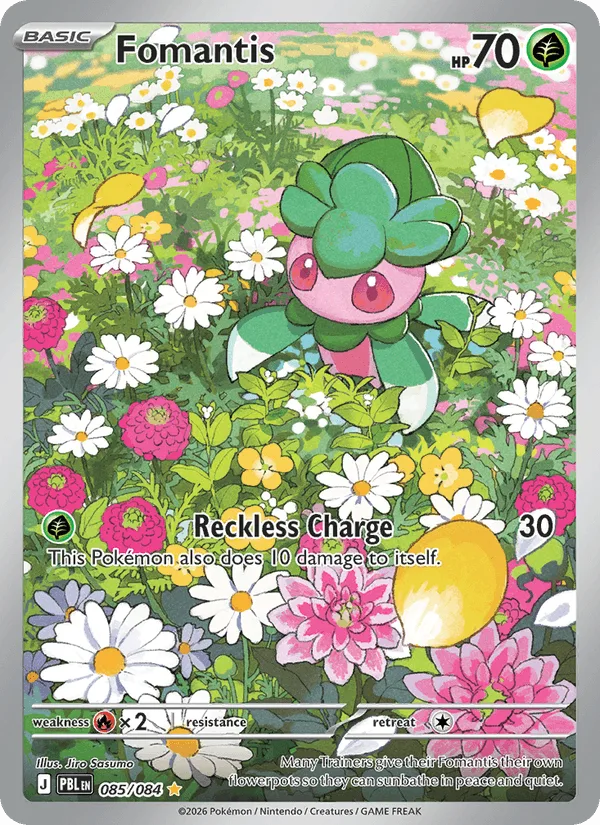
Pokémon-specific: every printing of one species across all sets and eras.
Evolution line: a full evolutionary family, Mareep to Ampharos, on one spread.
Trainer or character: every card featuring one human character, such as Misty, Cynthia or N.
Type or element: every Fire-type, every Dragon-type, often with a rarity filter.
Generation or region: Gen 1 only, Galar only, Paldea only.
Theme or vibe: sleeping Pokémon, city backgrounds, shinies, colour-coordinated pages.
Tournament deck: cards from a specific decklist or meta era.
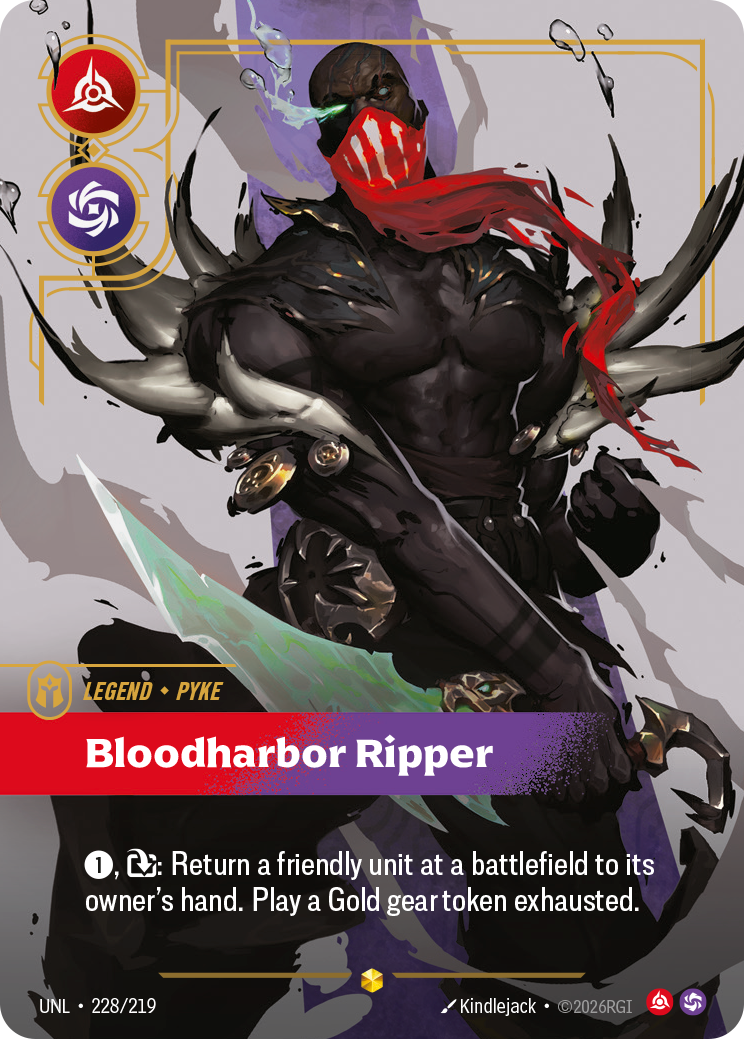
Champion: every card featuring a specific champion.
Skin line or alt art: every Spirit Blossom, PROJECT or Star Guardian printing.
Domain: one of the six Riftbound domains, collected whole.
Region or faction: Demacia, Noxus, Ionia and the other lore regions.
Lore or event: a narrative thread, like every Noxian invasion of Ionia.